With the arrival of summer, pool usage intensifies, making rigorous, efficient, and environmentally friendly maintenance essential. In this post, we detail the technical keys to keeping the water in optimal condition, prolonging the life of the equipment, and minimizing resource consumption.
- Water Saving: Key Measures for Efficient Management
Water is a limited resource, especially during hot weather, so effective management allows for reduced consumption without compromising bathing quality. What are our recommendations?
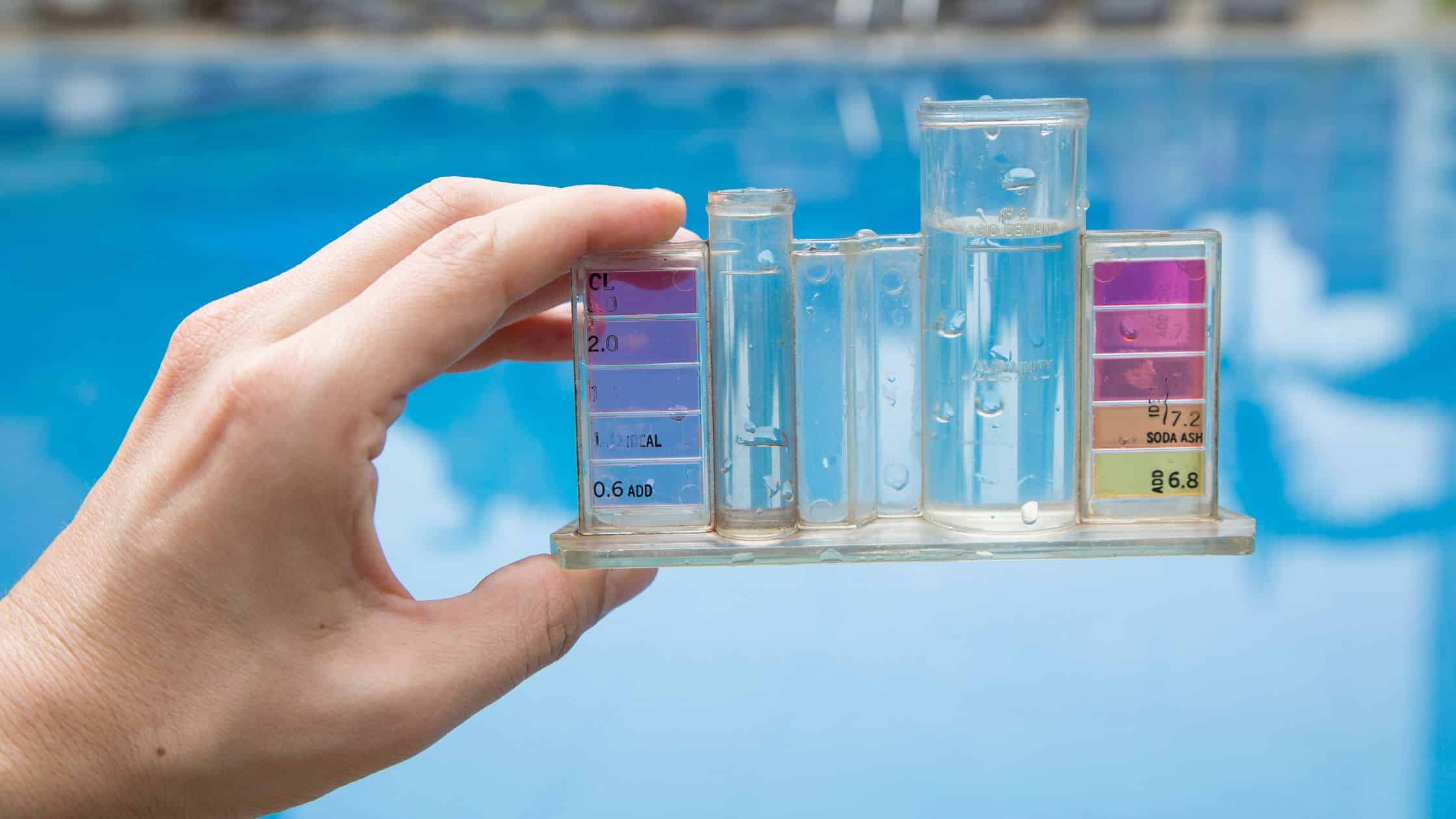
- Preventive Chemical Control: Keeping pH (7.2-7.6) and free chlorine (1-3 ppm) balanced avoids the need to renew the water.
- Inspection of the Pool and Accessories: Periodically check for possible leaks in the pool, joints, and embedded elements.
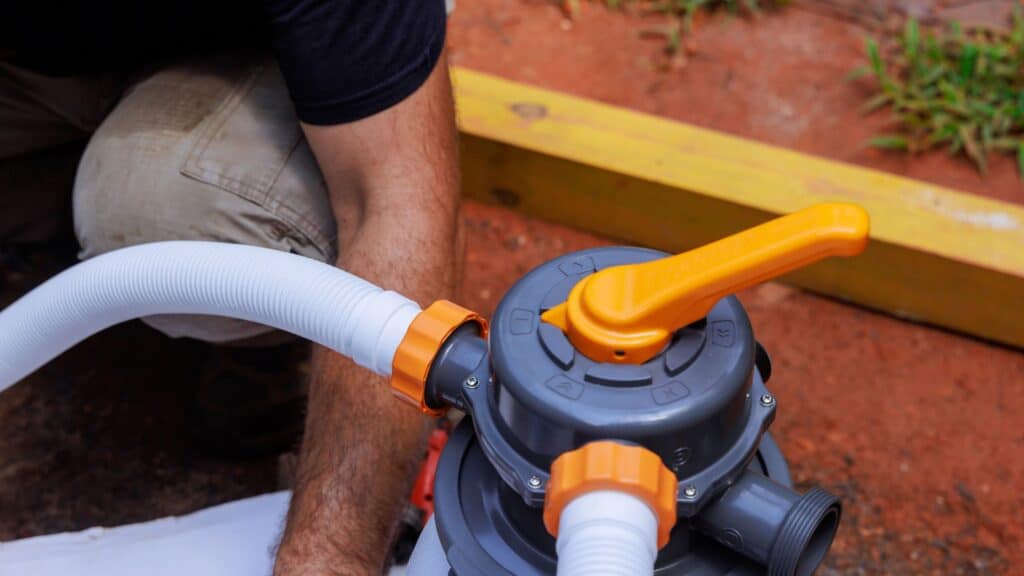
- Responsible Filtration: Use efficient filtration systems; we recommend a variable speed pump as it significantly reduces electricity consumption. It’s important not to skimp on filtration hours; this is the last thing you should save on. Remember, the more you filter, the less chemical product you will need to apply.
- Isothermal Covers: Reduce evaporation by up to 90% and help keep the water free of debris. They also maintain the water temperature.
- High-Efficiency Electric or Automatic Pool Cleaners: We recommend battery-powered ones, especially those that adapt to curved shapes, as they allow for comprehensive cleaning and minimize the number of backwashes.

- Pool Cleaning: Essential to Avoid Biological Problems
Cleaning the pool is critical to prevent the appearance of algae and microorganisms. If you want your pool to stay in the best possible condition, follow these essential steps:
- Frequent Mechanical Cleaning: With a manual vacuum or automatic robots adapted to the pool design.
- Maintenance of Cleaning Equipment: Backwashing, rinsing, checking, and storing in optimal conditions after each use.
- Chemical Balance: pH, Chlorine, and Alkalinity
Chemically balanced water is key to safety, product effectiveness, and equipment durability. Here are some important details to keep in mind:
- Water pH – THE MOST IMPORTANT PARAMETER: If the water pH is not well balanced, other measures such as chlorine and alkalinity will constantly suffer deregulations, and you will not reach the optimal solution. So, always start with the water pH to maintain your pool this summer. The appropriate range is between 7.2 and 7.6; outside these parameters, chlorine action is compromised, and corrosion or scaling increases.
- Free Chlorine between 1 and 3 Cl2 mg/l for public pools, or between 0.5 and 2 Cl2 mg/l for private pools: A decrease can lead to the proliferation of algae or bacteria.
Adequate Total Alkalinity (80-120 ppm): Essential to maintain pH stability
- Salt Chlorinator Pools: Specific Considerations for Maintaining Your Pool This Summer
Salt electrolysis systems are an efficient and sustainable alternative but require rigorous technical control:
- Salt Level (4,000 – 6,000 ppm) and Cyanuric Acid (30-50 ppm) must be kept within recommended parameters.
- Chlorinator Maintenance: Once the season is over or before it starts, clean the plates to avoid scale buildup and ensure system efficiency.
- Chlorine Generation Adjustment: According to temperature (the higher the heat, the lower the chlorine effect) and pool usage (the more bathers, the more bacteria).
- Hydraulic and Control System Maintenance
A properly maintained system not only extends the installation’s life but also optimizes energy consumption. What should you consider?
- Filter: Check the pressure on the manometer and perform washes when necessary.
- Pump and Selector Valve: Verify their operation and absence of obstructions.
- Automatic Regulators: Check the condition and calibration of the probes (pH/redox).
- Electrical Panel: Program filtration cycles based on water volume and weather conditions.
After knowing all these details about caring for your pool this summer, we conclude that proper maintenance not only improves the swimming experience but also saves water, energy, and, although we always recommend having a salt chlorinator installed, if you don’t have one and use chemical products, you would also save on them.
At Freedom Pools, we advise our clients to achieve a balance between sustainability, aesthetics, and operational efficiency.
Remember, you can also take some measures to protect your pool and give it an extra touch of daily care, not just in summer.
Do you want to optimize your pool? Now is the time! Contact our technical team. We will be happy to help you.